

Planning for After Life · Guide
Illinois Probate Law Explained
When someone dies, their property usually can’t simply pass to their family. If it is titled in their name alone, a court has to approve who is in charge and who receives it. This guide explains Illinois probate law in plain language: how probate in Illinois works, how long it takes, what it costs, and when an estate can skip it.
The Short Answer
Probate is the court process that settles a person’s estate after death. In Illinois, it typically takes at least six months, because creditors get six months to make claims, and many estates take nine months to a year or more. Not every estate has to go through it, and families often plan ahead so that their property doesn’t.
What Is Probate in Illinois?
Probate in Illinois is a court-supervised process, run under the Illinois Probate Act, that does three things: it confirms who is in charge of the estate, it makes sure valid debts are paid, and it passes what remains to the people entitled to it.
If there is a will, the court confirms it is valid and appoints the person named in it as the executor.
If there is no will, the court appoints an administrator, usually a close family member, and Illinois law decides who inherits.
The court issues Letters of Office. This is the document that lets the executor or administrator act for the estate, such as accessing accounts and signing for property.
The case is filed in the circuit court of the county where the person lived. For Chicago residents, that is the Circuit Court of Cook County.
Does Every Estate Go Through Probate?
No. Probate only reaches property that is titled in the person’s name alone, with no beneficiary or co-owner. These pass outside it:
Accounts with a named beneficiary, such as retirement accounts and life insurance.
Property owned jointly with a right of survivorship.
Assets held in a funded trust.
Real estate covered by a recorded transfer on death instrument.
Illinois also has simplified procedures for small estates, including a small estate affidavit that lets certain personal property be collected without opening a court case. It can’t be used for real estate, the limits are narrow, and they have changed recently, so it only fits small, simple estates. Our guide on how to avoid probate in Illinois explains the options for keeping property out of probate.

How Illinois Probate Law Works, Step by Step
01
File the will
Anyone who has the will must file it with the circuit court clerk in the county where the person lived. The law says to do it immediately, and clerks generally expect it within 30 days.
02
Open the case
The person named as executor, or a family member if there is no will, files a petition. The court admits the will and appoints the executor or administrator, and may require a bond unless the will excuses it.
03
Notify the family
Heirs and people named in the will receive notice that the estate is open.
04
Notify creditors
The estate publishes a notice to creditors in a local newspaper once a week for three weeks, and sends notice to creditors it knows about.
05
Inventory the property
The executor lists what the person owned, generally within 60 days of being appointed.
06
Pay valid debts and expenses
After the claims period ends, the estate pays what is properly owed.
07
Account and distribute
The executor reports what came in and went out, distributes what remains to the heirs, and closes the estate. Many Illinois estates are handled under independent administration, which means less supervision by the court.
How Long Does Probate Take in Illinois?
There is no fixed time, but there is a floor. Creditors have six months from the first newspaper notice to file claims, or three months from a direct notice if that is later, so an estate that goes through full probate generally can’t close sooner than about six months.
Simple estates typically take six to nine months.
Many estates take nine to fourteen months.
Complicated or disputed estates, or estates with real estate to sell, can take longer.
Claims against an estate are barred two years after the date of death, even if no notice was published.
What Does Probate Cost in Illinois?
The estate pays the costs of probate, which come out of what the family would otherwise receive. They typically include court filing fees, newspaper publication costs, a bond premium if a bond is required, appraisal fees, attorney fees, and compensation for the executor. The total depends on the size and complexity of the estate.
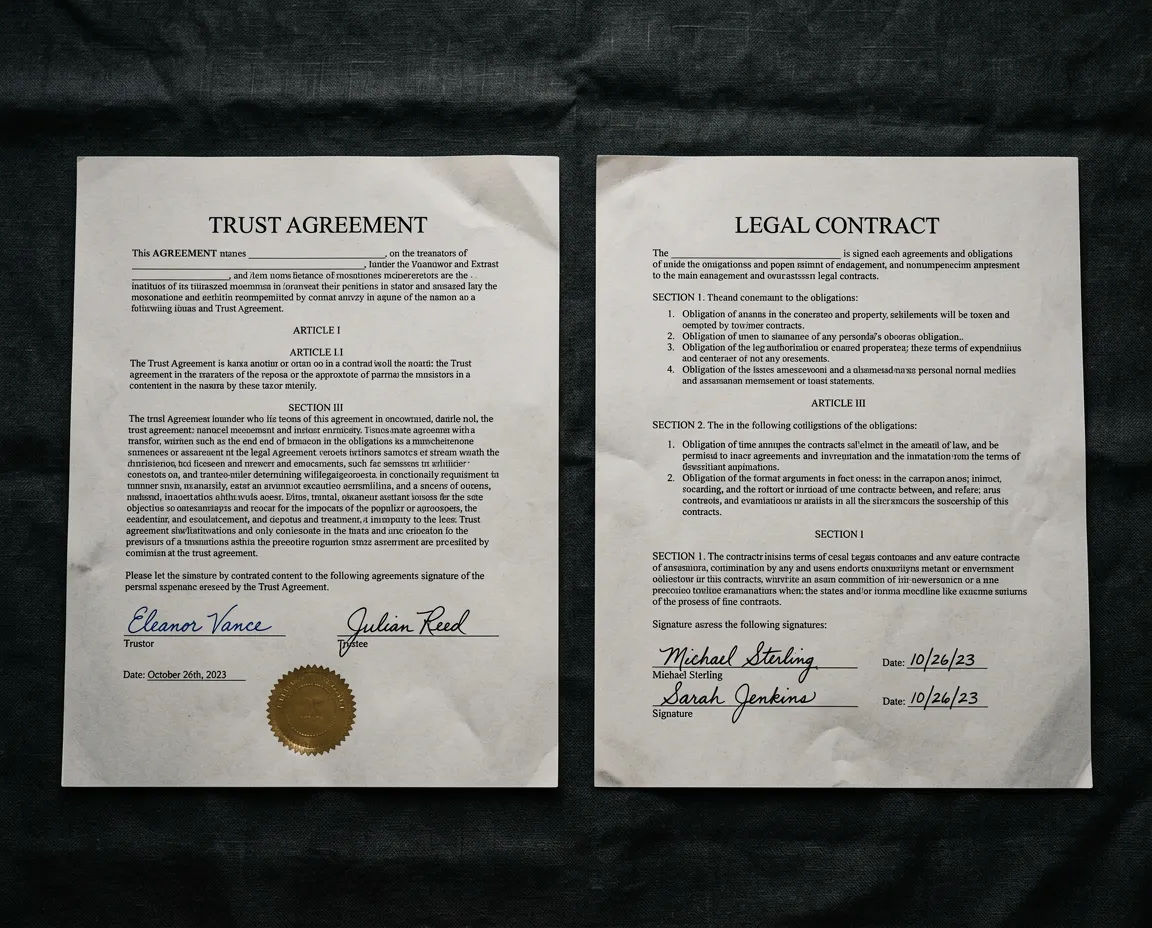
Planning So Your Family Isn’t Left in Probate
Most of the delay, cost, and public filing that families dislike about probate can be planned around. A funded revocable living trust, current beneficiary designations, and the right titling of your home are the main tools. Our trust attorney in Chicago page explains how a trust works.
Trust-based planning starts at $4,500 with our Legacy Plan, and your attorney confirms your price before any work begins. This work is part of what we do as an estate planning attorney in Chicago.
Questions About Illinois Probate
How long do I have to file a will in Illinois after someone dies?
Illinois law says anyone who has the will must file it with the circuit court clerk in the county where the person lived immediately upon death, and clerks generally expect it within 30 days. Willfully hiding a will for 30 days after learning of the death can be a felony. A person named as executor has 30 days after learning of the role to start the case or decline to serve.
What is a bond in lieu of probate in Illinois?
A bond in lieu of probate is an arrangement some title companies accept so that real estate in a deceased person’s name alone can be transferred without a full probate case. It is not created by a statute, each title company decides whether to offer it, and it generally requires the heirs to sign an indemnity and pay for a bond. It can be an alternative to probate for real estate, but it is not available everywhere or in every situation.
What happens to the deceased person’s debts in Illinois?
Valid debts are paid from the estate before the heirs receive anything. Creditors have six months from the first notice in the newspaper to make claims, or three months after direct notice if that is later, and claims are barred two years after death. Heirs generally don’t pay the debts of the person who died out of their own money.
Who pays the costs of probate in Illinois?
The estate pays them, which means they reduce what the heirs receive. That is one reason families plan ahead to keep property out of probate where they can.
Talk It Through
One conversation can show which of your assets would go through probate and what it would take to plan around it.
Attorney advertising. The information on this website is general information, not legal advice. Contacting the firm does not create an attorney-client relationship.
Chicago Office
© 2026 The Higher Law Firm. All rights reserved.